
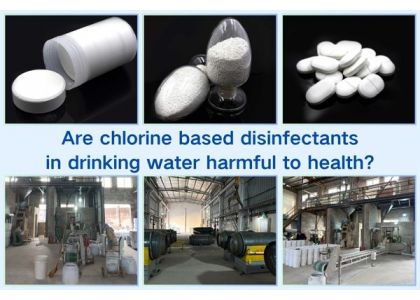
Are chlorine-based disinfectants in drinking water harmful to health?
Chlorine-based disinfectants (such as sodium hypochlorite and calcium hypochlorite) are commonly used to disinfect drinking water. These chemicals are effective in killing harmful bacteria, viruses, and other pathogens to ensure safe drinking water. However, some people may be concerned about their potential health hazards.
Why use chlorine sanitizers?
Chlorine is widely used in water treatment because it kills pathogens and prevents waterborne diseases. It also helps control algae and bacteria in water systems. Health agencies such as the WHO and the EPA consider chlorine to be safe at prescribed dosages.
Health Concerns:
The main problem with chlorine disinfection is the formation of disinfection by-products (DBPs) such as trihalomethanes (THMs) and haloacetic acids (HAAs). Long-term exposure to high levels of DBPs may be associated with the following factors:
Increased risk of cancer (e.g., bladder and colorectal cancer).
Potential reproductive and developmental effects.
Respiratory problems from inhalation of chlorine vapors, especially in poorly ventilated areas.
However, the levels of DBPs in drinking water are strictly regulated to ensure that they are below harmful thresholds.
Are chlorine sanitizers safe?
For most people, chlorine-treated drinking water is safe because chlorine levels are strictly monitored and regulated. The U.S. Environmental Protection Agency has set the maximum concentration of chlorine in drinking water at 4.0 mg/L, well below harmful levels. Many water utilities also reduce DBPs by using other filtration methods.
How to minimize risk:
If you are concerned about chlorine exposure, you can:
Use an activated carbon filter to remove chlorine and DBPs.
Let the water sit for a few hours to allow the chlorine to dissipate.
Check your local water quality report for chlorine and DBP levels.
To summarize:
Chlorine-based disinfectants are critical to ensuring safe drinking water. While there are some potential risks, the level of chlorine used in water treatment is safe for most people. If you are concerned, using filters or other methods can further minimize chlorine exposure.
Tianjin XXX Industrial Products Co., Ltd. is a professional exporter of high-quality pool and water treatment chemicals. With over 20 years of R&D and production experience, our factory, located in Tianjin, China, specializes in manufacturing Calcium Hypochlorite, SDIC, and TCCA, serving international markets with reliable and top-quality products...[ read more ]


